Livelihood
Diversification
Multiple income streams, one resilient household — helping vulnerable communities build layered, interconnected income pathways that hold firm even when one fails.
One income source is a single point of failure
Dependence on a single income — whether subsistence farming, casual labour, or informal trade — leaves households dangerously exposed to shocks. A drought, a flood, a market collapse, or a health crisis can erase a family's livelihood overnight.
For communities already affected by drought and hunger, HIV/AIDS, or conflict and displacement, this vulnerability is compounded. There are no savings to fall back on, no credit to access, no network to absorb the blow.
Our Livelihood Diversification program builds the layered, interconnected income architecture that makes households genuinely resilient — not just to today's shock, but to the next one, and the one after that.
Core Program Activities
Six evidence-based intervention areas that together build genuine multi-stream livelihood resilience.
Alternative Income Identification
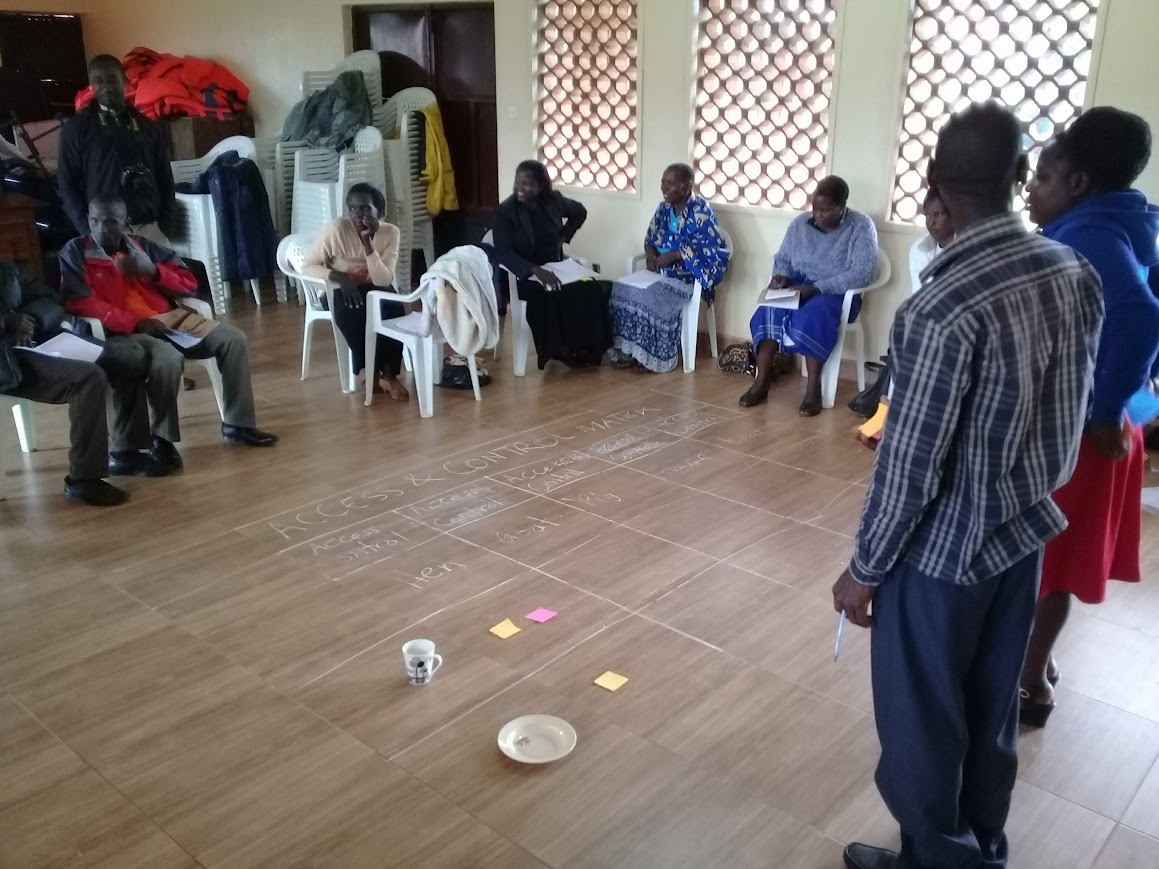
Structured community exercises that map untapped local resources, skills, and market gaps to identify viable income streams beyond existing livelihoods.
Non-Farm Enterprise Development
Training in services, crafts, eco-friendly production, and informal trade sectors that can run alongside or independent of farming cycles.
Financial Literacy & Savings Groups
Building savings discipline through Village Savings and Loan Associations (VSLAs), SACCO membership, and personal financial management training.
Social Protection & Risk Management
Community safety nets, mutual aid groups, and contingency planning so that when one income stream fails, the household doesn't collapse.
Eco-Business & Green Livelihoods
Identifying income from natural resource stewardship — beekeeping, nursery establishment, recycling enterprises, and eco-tourism facilitation.
Cooperative & Group Enterprise Models
Forming producer groups, cooperatives, and buying circles to access markets, inputs, and credit at scale that individuals cannot achieve alone.
Six Steps to a Resilient Household
A participatory, market-grounded methodology that starts from each household's unique situation.
Household Vulnerability Assessment
We map each household's current income sources, assets, skills, and exposure to shocks before recommending any diversification pathway.
Market & Opportunity Scanning
Community-level scans of local markets, value chains, and underserved needs to identify realistic, demand-driven opportunities.
Skills Matching & Training
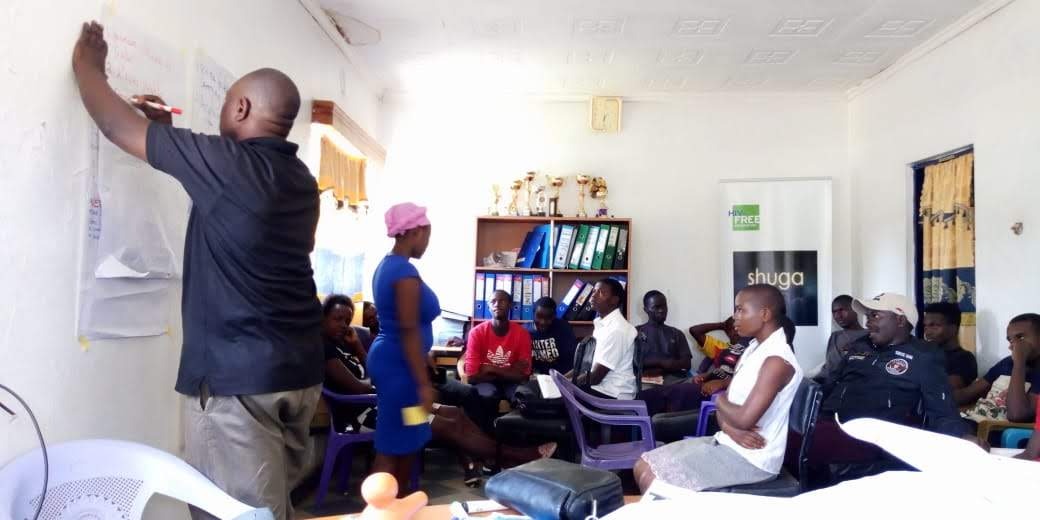
Participants choose 2–3 new income tracks aligned to their existing skills, interests, and local market demand — then receive targeted training.
VSLA Formation & Savings
All participants are enrolled in or help establish a Village Savings and Loan Association to build capital for diversification investments.
Launch Support
Participants receive start-up tools, initial inputs, or seed capital to launch their new enterprise tracks alongside existing livelihoods.
Resilience Monitoring
Quarterly shock-response check-ins track how households cope during stress events — the true test of diversification success.
Community capital that grows from within
Every participant joins or helps establish a Village Savings and Loan Association — a self-managed community savings pool that provides members with low-interest loans to invest in new income streams without requiring formal banking access.
Outcomes That Build Lasting Resilience
Graduates maintain food security through events that devastate single-income households in the same communities.
Program participants develop an average of 3.2 distinct income sources within 18 months of completion.
Of graduates who join VSLAs during the program, 91% are still active savings group members after two years.
Participants have launched over 250 eco-friendly enterprises including beekeeping, nurseries, and recycling.
We track resilience through actual shock events — not just income metrics. When floods, droughts, or health crises hit program areas, we document how diversified households cope versus control groups, generating real-world evidence of impact.
Stories of Resilience
"Living with HIV, I struggled to find dignified work. ActionPath's livelihood diversification training changed everything. I now run a successful poultry business alongside my small farm — when one is slow, the other carries us."
"My family survived floods three times. Before this program, each flood set us back years. Now I have a small tailoring business and a beekeeping enterprise alongside my farm. The flood still hurts, but it no longer destroys us."
Deployed where vulnerability is most compounded
Diversification is most critical in communities facing overlapping crises. Explore the specific vulnerability contexts where this program delivers the greatest impact.
Help communities build resilience that lasts
Partner with us to design and deliver livelihood diversification programs for your communities — whether you are an NGO, government agency, donor, or community leader.