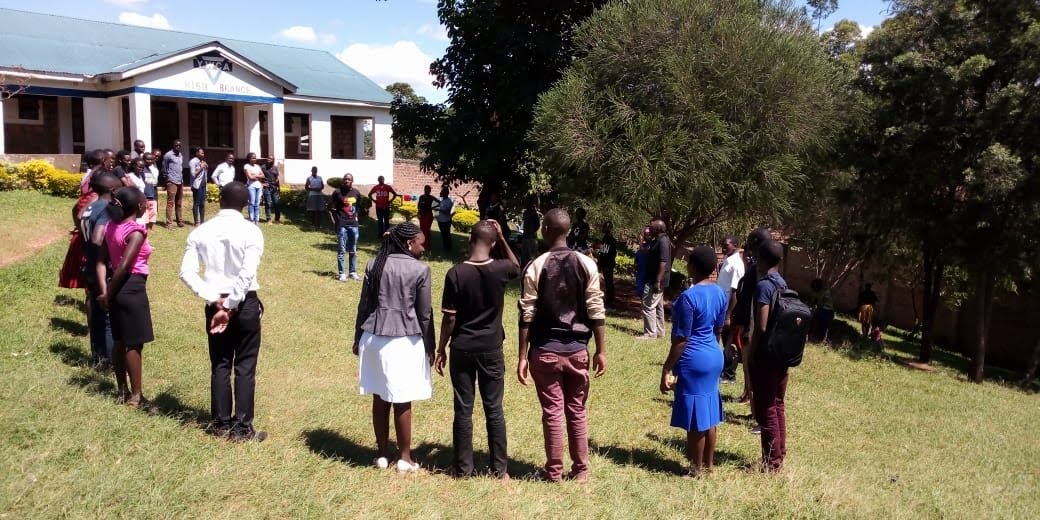
Agriculture & Climate-Resilient Practices
Promoting climate-smart farming, soil and water conservation, agroforestry, and community-led risk management to build lasting food security and income resilience for smallholder farmers across Africa.
Food insecurity and climate change are two sides of the same crisis
Across sub-Saharan Africa, erratic rainfall, prolonged drought, soil degradation, and limited market access push millions of smallholder farmers deeper into poverty every season. A single failed harvest can unravel years of progress for an entire family.
In communities already grappling with conflict and displacement, extreme poverty, and chronic drought, food insecurity becomes a compound crisis. That is why this program is holistic, adaptive, and community-rooted.
We begin with deep participatory assessment, understanding local soils, water sources, existing crops, and market conditions before any seed is planted. We prioritise securing land and natural resource rights for women and marginalised groups, ensuring that climate resilience goes hand in hand with social justice. Our approach aligns with the SDGs, Africa's Agenda 2063, and national agricultural development strategies.
Core Program Activities
Six evidence-based intervention areas combining traditional knowledge with climate science to create lasting food security and secure resource rights for farming communities.
Climate-Smart Farming
Moving smallholder farmers beyond mono-cropping to resilient multi-crop systems using crop rotation, drought-resistant seeds, and organic methods that stabilise income and improve nutrition year-round.
Agroforestry & Mixed Farming
Integrating trees into farmland to restore soil health, diversify income, provide livestock shade, and sequester carbon. Building long-term ecosystem resilience from the ground up.
Soil & Water Conservation
Training in terracing, rainwater harvesting, and small-scale irrigation to manage water scarcity and prevent soil degradation in drought-prone landscapes.
Renewable Energy in Agriculture
Solar-powered irrigation, drip systems, and post-harvest drying technology that reduce dependency on rain and fossil fuels for smallholder food systems.
Indigenous & Drought-Resistant Seeds
Promoting locally adapted seed varieties with high drought tolerance alongside community seed banks for food sovereignty and reduced input costs.
Risk Management & Disaster Preparedness
Building capacity in climate forecasting, indigenous knowledge systems, and community-based early warning for drought and flood events.
How We Deliver the Program
A six-stage implementation methodology built for depth, sustainability, and community ownership.
Community Assessment
Participatory assessment of soil conditions, water access, existing crops, and local market prices before any training begins.
Farmer Field Schools
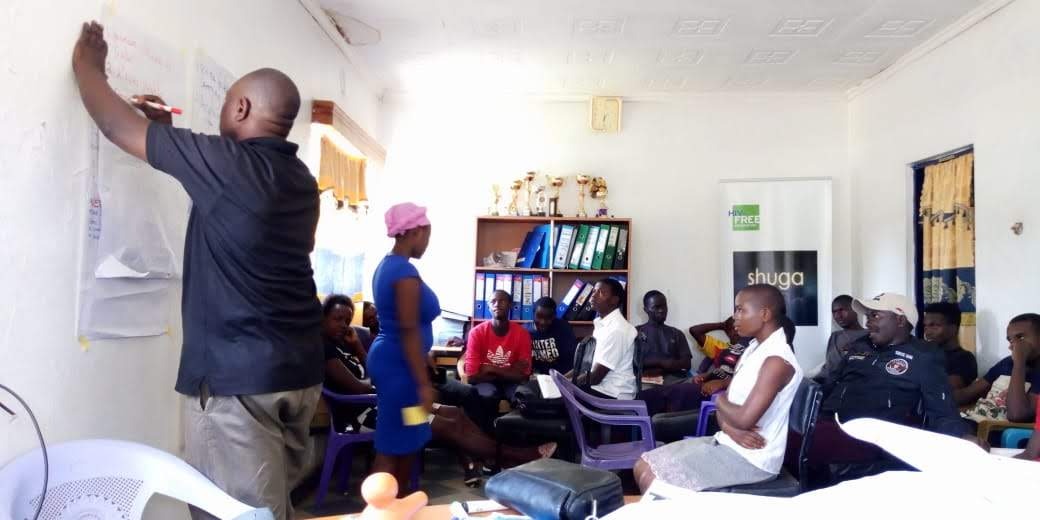
Training delivered through Farmer Field School methodology: hands-on, season-long learning on demonstration plots within the community.
Input Support & Tools
Participants receive starter kits including seeds, tools, or irrigation equipment to implement new practices immediately.
Market Linkage
Farmers are connected to off-takers, cooperative networks, and buyer platforms to ensure produce has guaranteed, fair-price markets.
Cascade Training
Graduates become community trainers, using the Train-the-Trainer model to multiply impact across their villages and networks.
MEARL Tracking
All participants are tracked quarterly against income, food security, and resilience indicators using our MEARL framework.
Outcomes That Transform Communities
Families report moving from one to three meals daily within 12 months of program completion.
Average household farm income increase among program graduates in Siaya and Turkana counties.
Each trained farmer mentors an average of 50 community members through cascade training.
Graduates report maintaining food security during drought seasons that devastated neighbouring farms.
All program outcomes are monitored quarterly using Monitoring, Evaluation, Accountability, Research and Learning indicators, ensuring data-driven adaptation, community scorecards, and transparent impact reporting.
Stories from the Field
"ActionPath Africa taught me climate-smart farming. Now my family eats three meals a day even during drought season. I have trained 50 other farmers in my village."
Drought & Food Insecurity"Before this program, I lost every crop during the dry months. Now I use solar drip irrigation and grow vegetables year-round. My children no longer miss school because of hunger."
Drought & Climate ShockThis program directly addresses critical vulnerabilities
Agriculture and Climate-Resilient Practices is deployed in communities facing intersecting crises. Using a human rights-based approach, we shift power to communities, hold duty bearers accountable, and advocate for gender-responsive public services including water, health, and education.
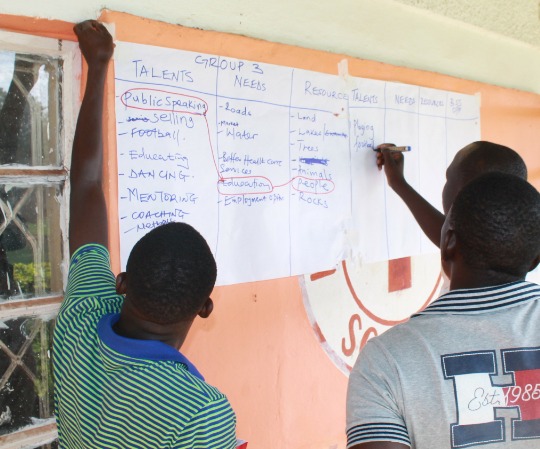
All our agriculture programs integrate psychosocial resilience tools including the Johari Window and Wheel of Life, recognising that food insecurity and climate shock carry a significant mental health burden. Farmers in crisis communities receive counselling support alongside technical training.
Ready to bring climate-resilient farming to your community?
Whether you are an NGO, government agency, donor, or community leader, we can design and co-deliver an agriculture program that meets your community where it is.