Making Livelihood Training Work: Rethinking NGO and INGO Efforts in Africa
By George Awuor — Founder & CEO, ActionPath Africa
Let’s face it: livelihood training has become the go-to tool for NGOs and INGOs fighting poverty and unemployment in Africa. The idea seems simple: teach practical skills, spark entrepreneurship, and help people build the emotional strength to handle this tough economy. Most programs zero in on youth, women, and rural communities. But after years of pouring in money and effort, the results just aren’t measuring up. Too many projects fizzle out before they make real change. So, what’s actually happening, where do things get stuck, and how do we fix it?
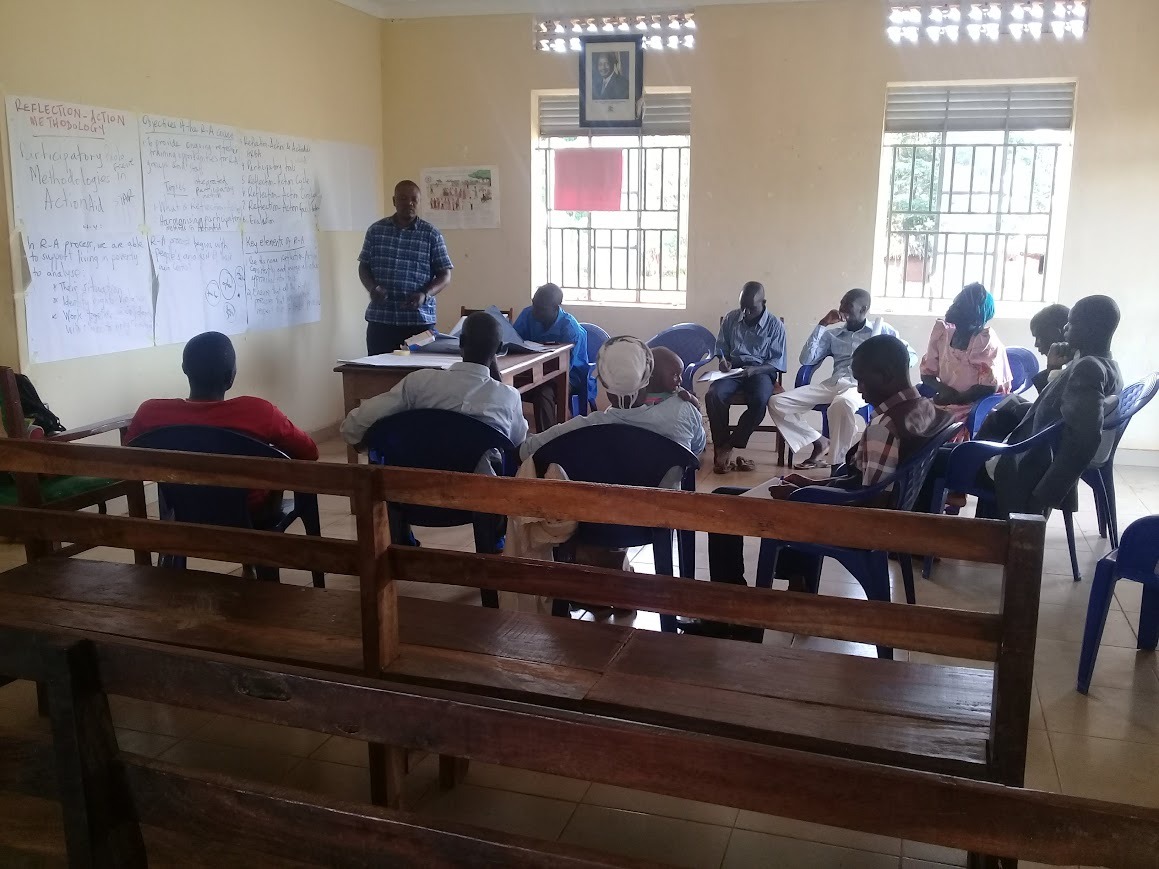
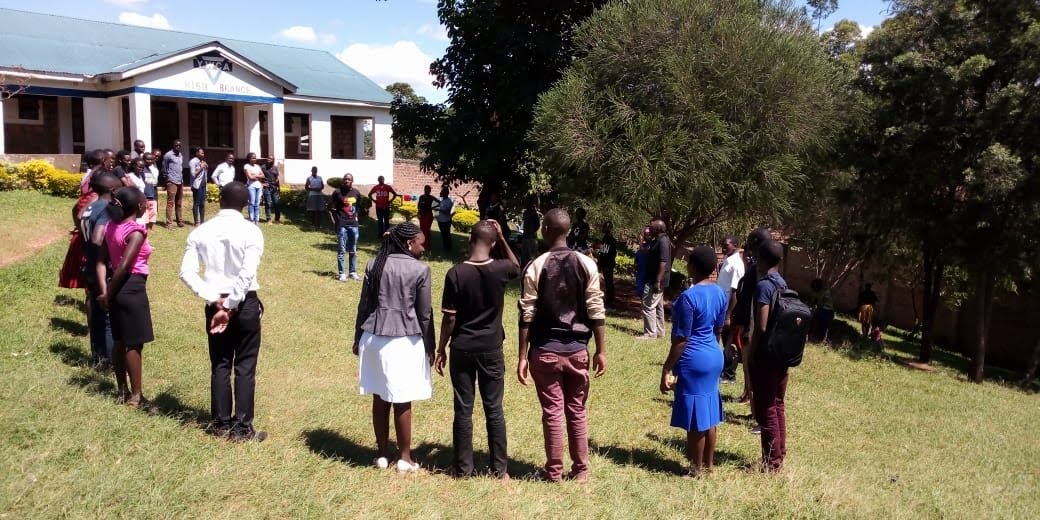
ActionPath Africa team facilitating a HRBA training in Eastern Uganda.
Where we are right now (A case for Kenya)
Most young Kenyans hustle in the informal economy — think casual jobs, tiny businesses, and small-scale farming. Formal jobs are scarce, and new sectors like ICT, renewables, and hospitality want skills most people don’t have. The government’s trying through KYEOP, Ajira Digital, and NYOTA Fund, to name a few. NGOs step in, too. Mercy Corps teaches entrepreneurship, VSO tackles vocational training, and ActionAid mixes in psycho-social support. They’ve helped a lot of young people, but honestly, the problem is still huge.
Kenya has got an entrepreneurial spark, a booming digital scene, and big policy pushes like Vision 2030 and TVET reforms. However, poverty, joblessness, and deep inequality keep holding people back. Where public services fall short, NGOs fill in with training — from farming and micro-business to digital literacy. The trouble is, training doesn’t always lead to actual jobs or reliable income.
So, why do so many programs miss the mark?
The Real Challenges
Let’s be real. Funding is chaotic. Most organizations depend on short donor cycles, chasing quick wins instead of deep transformation. Lots of training isn’t matched to what Kenya’s economy really needs, and some programs never leave the classroom behind to stay flexible.
What about trainers? Many trainers have a heart, but not always the skills to make learning lively or adjust to adult learners. Too often, the content gets copied and pasted, not tailored to the local context.
Evaluation is usually thin. There is not enough tracking or learning from what doesn’t work. Plus, entire groups — women, people with disabilities, and the most marginalized — still struggle to access or benefit from training.
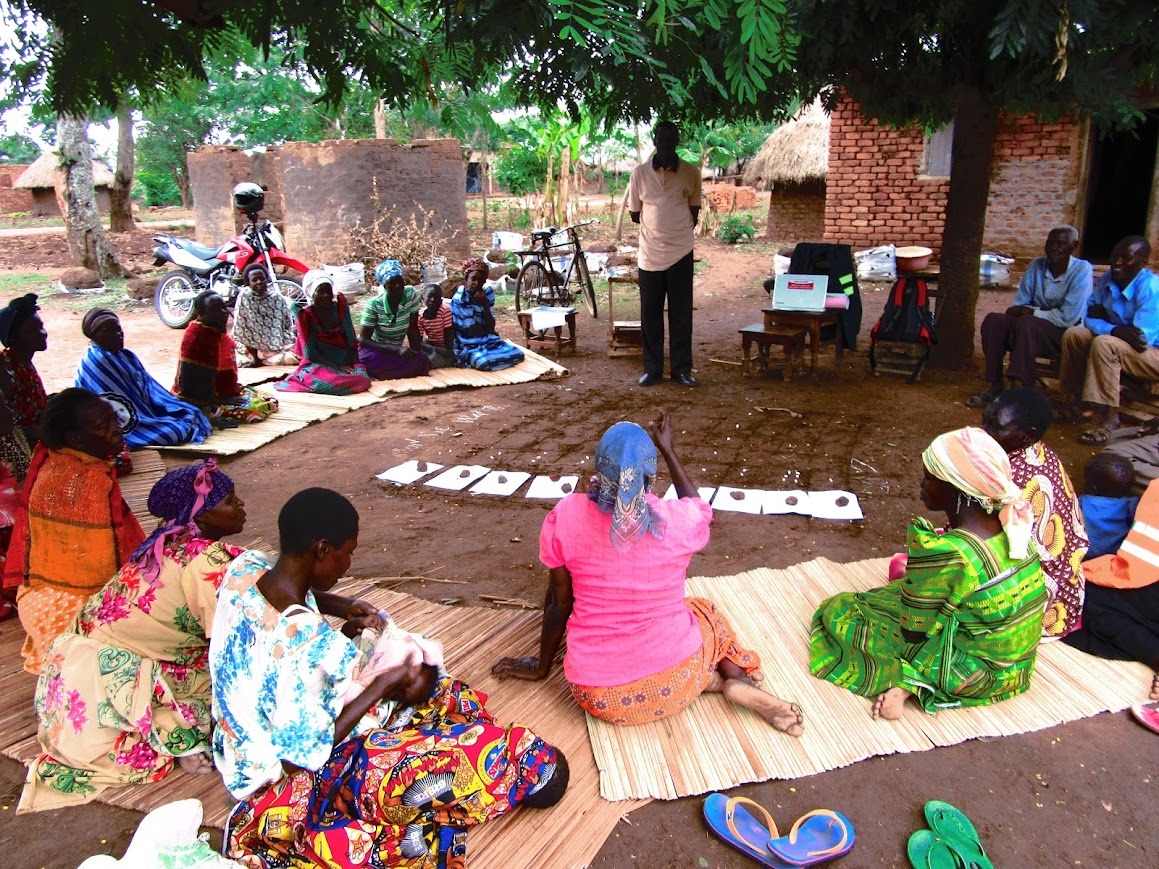
Women entrepreneurs participating in financial literacy and business development training.
How do we fix this?
Listen First
Don’t assume. Start on the ground. Many NGOs launch programs shaped by donor needs, not by what people actually want. Do Participatory Rural Appraisal (PRA). Let communities speak for themselves. For pastoralists in northern Kenya, livelihood means climate-smart livestock. Nairobi’s urban youth need digital gigs.
Don’t ignore the psychological side, either. Training has to tackle trauma and build emotional resilience, especially for youth and women who have faced poverty or violence. Blending practical skills with emotional support, like Ace Africa did in 2020, helps people stick with training and actually move forward.
Rethink the Curriculum
Don’t just prepare people for certifications. Build flexible, real-life modules, competency-based and paced to fit different learners. Use activities such as role plays and visuals, and keep everything grounded in the community’s reality.
ICT isn’t just an add-on anymore. It belongs front and center, along with entrepreneurship, financial literacy, and marketing. Rural areas lean on farming and cooperatives, while urban spaces want trades and tech. Context matters.
Invest in Excellent Trainers
Even a great program flops if the trainer can’t connect. Many facilitators are committed but need more modern methods and tools to teach adults or adapt to new challenges.
Train the trainers. Boost their skills with targeted programs and ongoing support. Have hands-on learning networks where trainers share experiences. Such networks lift everyone. VSO International’s peer circles prove this point. If you invest in facilitators, the whole effort gets stronger.
Let Data Drive Improvement
I have seen many projects measure success by training attendance, not by what happens after. That has to change. Set up solid, outcome-focused monitoring and evaluation systems. When communities track their own progress, they’re more committed.
Go digital. Mobile surveys and real-time feedback help quickly adjust and improve. Don’t just report results. Learn from them. Every project should build on the last, learning from both what works and what flopped.
Build Strong Partnerships
No single group can tackle Kenya’s job crisis. Strong partnerships matter:
- Link with government bodies for accreditation to keep quality high
- The private sector opens up internships, mentorships, and real jobs
- Donor coordination means money isn’t wasted repeating things
- Share knowledge across East Africa — everyone rises together
Make It Sustainable
Hard truth: most programs disappear when the funding dries up. Anchor training in community groups — cooperatives, savings groups, and local businesses — that keep running.
NGOs should explore social enterprise models, generating income so training doesn’t just stop when grants run out. Trainees need more than skills; they need capital — add microfinance. Policy advocacy embeds these changes in Kenya’s own systems. When something works, replicate but adapt — what succeeds in Nairobi won’t necessarily fly in Turkana.
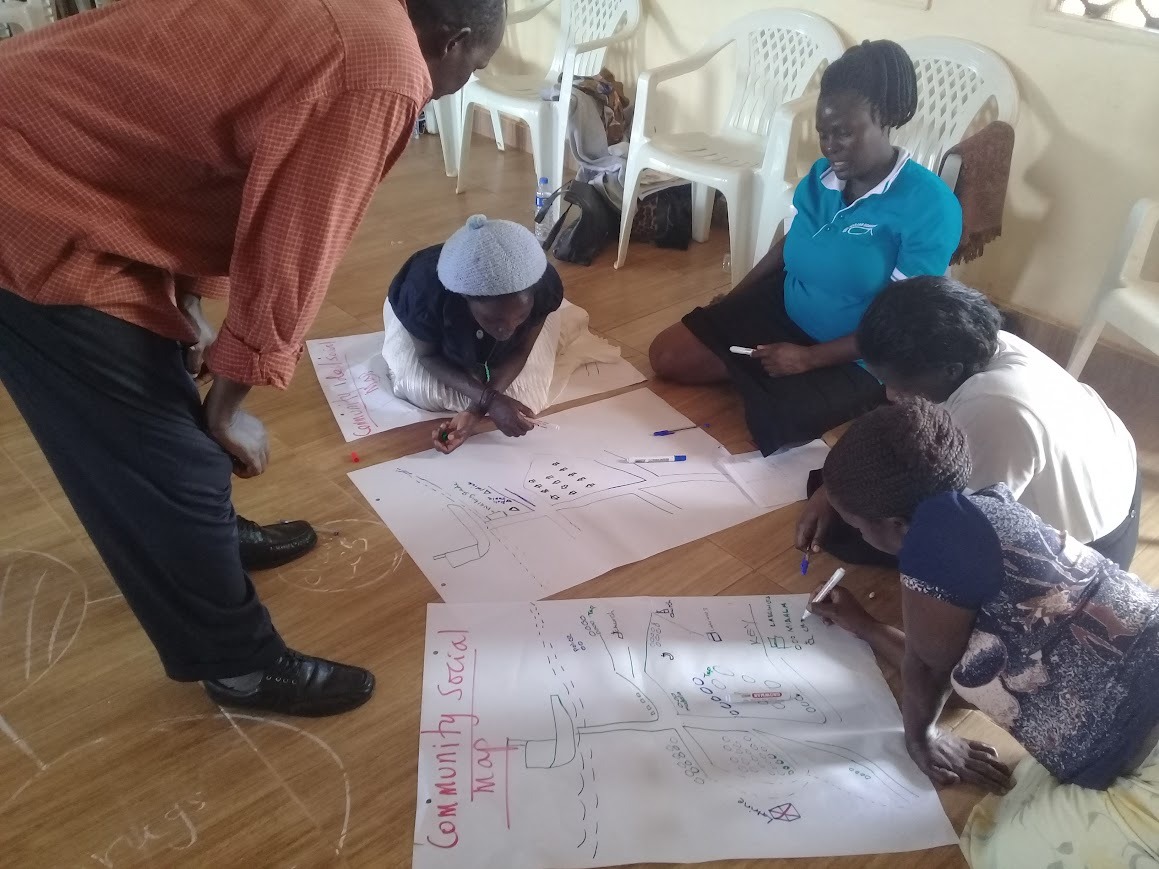
Design-Driven Entrepreneurship Skills Training conducted by ActionPath Africa in Kisii, Kenya.
Real Stories, Real Lessons
Groups like Mercy Corps, BOMA Project, ActionAid, VSO International, and Ace Africa show that design matters. Mercy Corps pairs training with access to finance and mentorship. ActionAid proves programs tailored for women lift entire families.
VSO’s trainer networks and Ace Africa’s mental health plus vocational approach reveal the power of seeing the whole person, not just job prospects. Borrow ideas from other countries. Don’t always build from scratch.
Policy Priorities
What’s most important?
- Better standards and accreditation
- Stronger private sector partnerships
- Longer-term funding tied to results
- Deeper inclusion — especially for women and marginalized groups
Training isn’t a quick fix; it’s just one piece of the puzzle for real empowerment and resilience.
Bottom Line
Kenya has huge potential, but it needs livelihood programs that listen, adapt, and stick around for the long haul. NGOs and INGOs have to break out of fragmented efforts and build every part — content, training, partnerships, and evaluation — into the community’s own ecosystem.
Done right, skills training becomes more than a classroom routine. It unlocks dignity, lays down lasting paths out of poverty, and lets people create the lives they want.
About the Author
George Omondi Awuor is the Founder and CEO of ActionPath Africa, a learning experience designer and curriculum development specialist with over ten years of experience designing and delivering adult and youth training programmes across East Africa.
With expertise in curriculum design, training of trainers (ToT), life skills, livelihoods, psychosocial support, and safeguarding, George is skilled in blending human-centered design with behavioural science to create practical, engaging learning experiences for underserved communities.
He has worked with NGOs, INGOs, government agencies, and social enterprises to build capacity, strengthen systems, and empower vulnerable populations. ActionPath Africa, based in Nairobi, specializes in livelihood development, youth empowerment, psychosocial support, and human-centered training solutions — partnering with organizations to design and deliver transformative learning experiences that create lasting change.
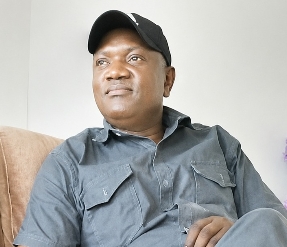
George Omondi Awuor, Founder & CEO of ActionPath Africa