
Enhancing the Efficacy of Livelihood Training Programs by NGOs and INGOs in Kenya: A Strategic Framework for Improvement
By George Awuor, Founder & CEO, ActionPath Africa
Livelihood training programs have become the most significant interventions by non-governmental organizations (NGOs) and international NGOs (INGOs) in Kenya, aimed at addressing poverty, unemployment, and vulnerability among marginalized communities. These programs are designed to equip individuals, particularly youth, women, and rural populations, with practical skills, entrepreneurial capacity, and psychosocial resilience to navigate an increasingly complex socio-economic environment. Yet, despite decades of investment, many livelihood initiatives struggle to achieve sustainable impact. This article explores the current state of livelihood training in Kenya, identifies key challenges, and proposes a strategic framework for enhancing its efficacy.
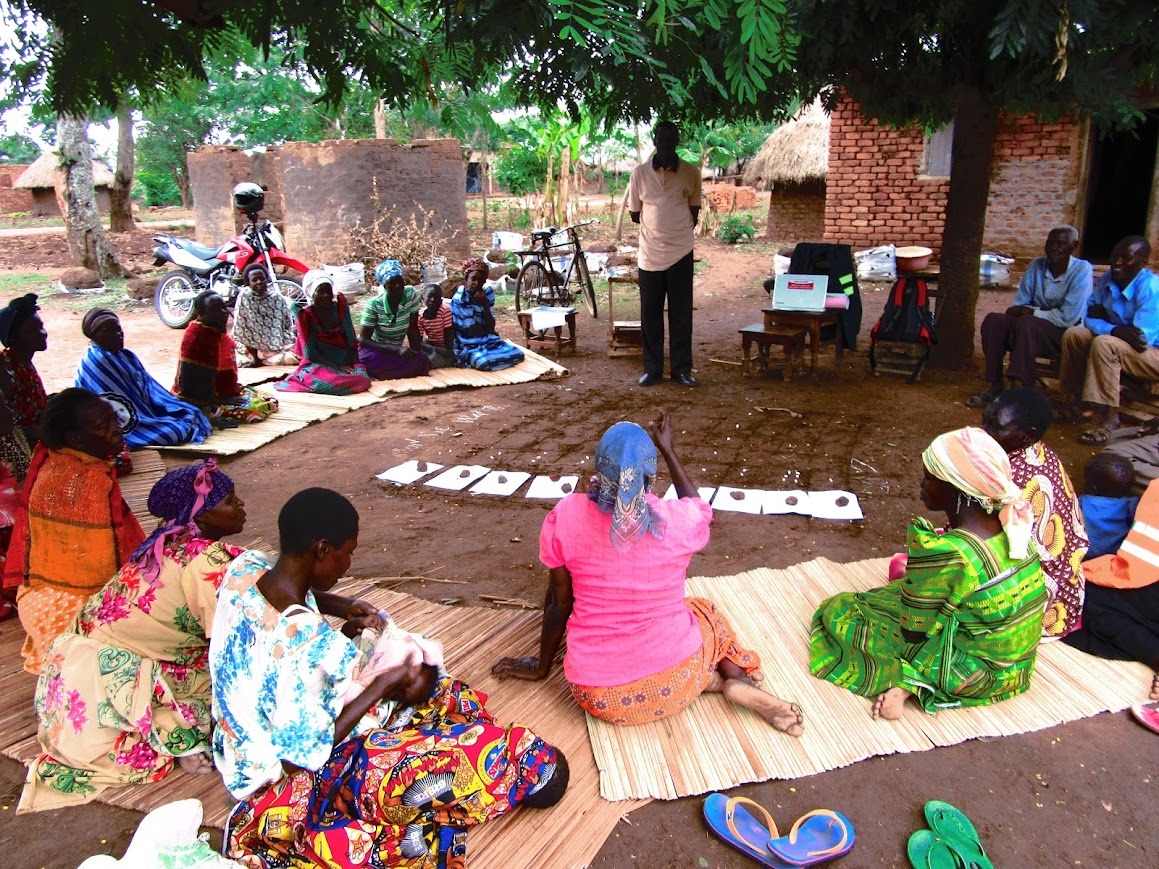
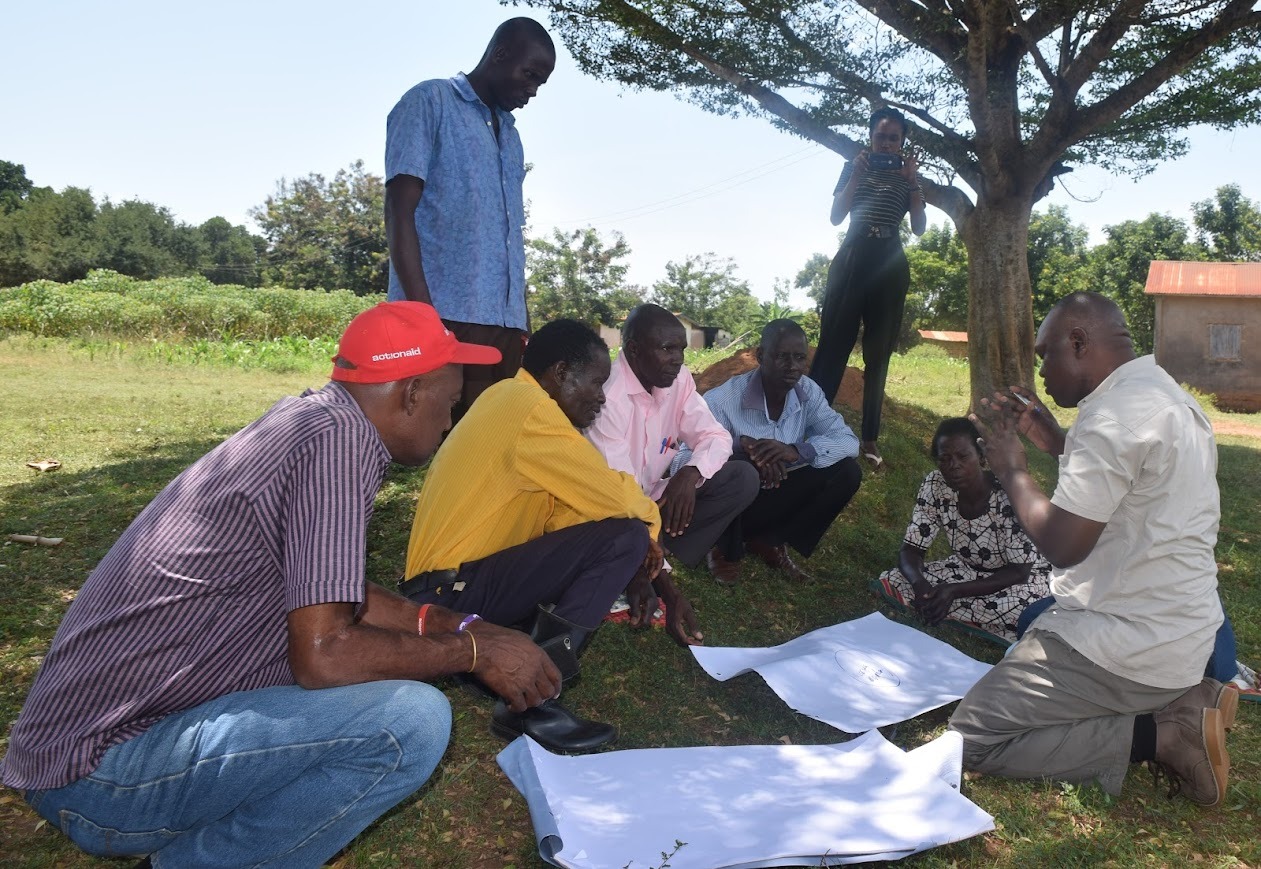
ActionPath Africa team facilitating a HRBA training in Eastern Uganda.
The Current Landscape
Kenya’s labour market is dominated by informal employment, with most youth engaged in casual labour, micro-enterprise, or subsistence agriculture. Formal employment opportunities remain limited, and many young people lack the skills demanded by emerging industries such as ICT, renewable energy, and hospitality. Government initiatives such as the Kenya Youth Employment Opportunities Project (KYEOP), the Ajira Digital Programme, and the NYOTA Fund have sought to address these gaps. NGOs and INGOs have complemented these efforts with diverse interventions: Mercy Corps’ entrepreneurship training, VSO International’s vocational programs, ActionAid’s psychosocial support integration, and Tiko Africa’s digital livelihood platforms. Together, these initiatives have reached hundreds of thousands of youth, yet the scale of the challenge remains daunting.
Kenya’s socio-economic landscape presents both opportunities and challenges for livelihood training. The country boasts a dynamic entrepreneurial culture, a growing digital economy, and policy frameworks such as Vision 2030 and the Technical and Vocational Education and Training (TVET) reforms, which prioritize skills development. On the other hand, persistent poverty, high youth unemployment, and structural inequalities continue to undermine progress. NGOs and INGOs have stepped into this gap, offering training in agriculture, microenterprise development, vocational trades, and digital literacy. Their interventions have reached thousands of communities, often in areas where government services are limited. However, the effectiveness of these programs is uneven, with many failing to translate training into long-term livelihoods.
Key Challenges
Several challenges explain this gap:
Funding Sustainability
Most NGOs heavily rely on short-term donor cycles that prioritize outputs over outcomes. This creates pressure to report quick wins rather than invest in long-term transformation.
Fragmented Curricula
Curricula are often fragmented and poorly aligned with market realities, leaving trainees with skills that are not economically viable.
Trainer Capacity
While many facilitators are committed, they lack advanced skills in participatory methods and contextual adaptation.
Weak Monitoring Systems
Monitoring and evaluation systems are frequently weak, making it difficult to measure impact or adapt programs based on evidence.
Limited Community Ownership
Programs are sometimes imposed without adequate cultural sensitivity or local buy-in, undermining sustainability.
Gender and Inclusion Barriers
Women, youth, and persons with disabilities face structural disadvantages in accessing training and subsequent opportunities.
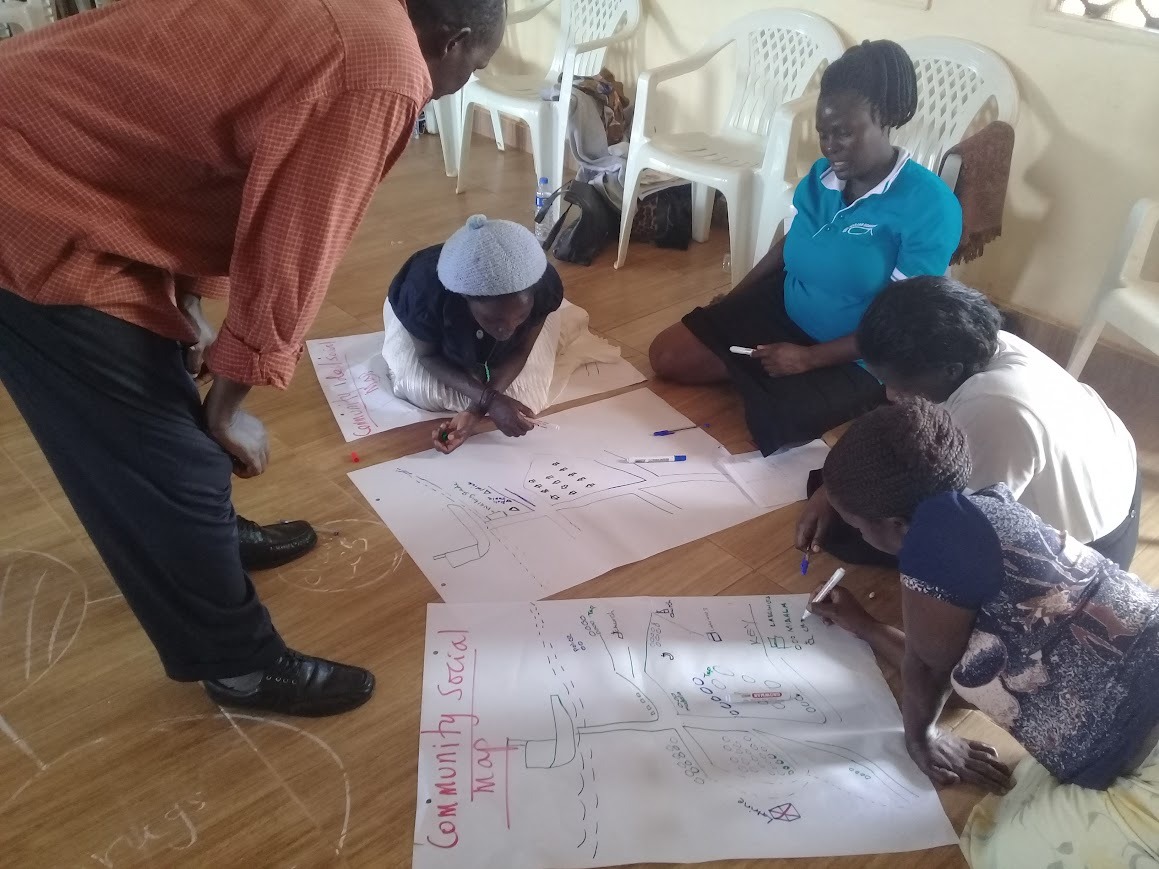
Women entrepreneurs participating in financial literacy and business development training.
Strategic Framework for Improvement
1. Needs Assessment and Contextualization
Effective livelihood training must begin with a rigorous needs assessment. Too often, NGOs and INGOs design programs based on donor priorities rather than community realities. Participatory Rural Appraisal (PRA) methods allow communities to articulate their own needs, ensuring that training responds to local aspirations.
For example, in arid regions of northern Kenya, pastoralist communities may prioritize training in climate-resilient livestock management, while urban youth in Nairobi may seek digital skills for the gig economy. Contextualization also requires sensitivity to psychosocial realities. Many vulnerable groups, particularly women and youth, face trauma from poverty, displacement, or gender-based violence.
Integrating psychosocial support into livelihood training acknowledges that economic empowerment is inseparable from emotional resilience. Programs that combine technical skills with trauma healing have shown higher retention and success rates (Ace Africa, 2020). A robust needs assessment ensures that training is not generic but tailored, market-driven, and culturally relevant.
2. Curriculum Design and Delivery
Curriculum design is the backbone of effective livelihood training. Traditional curricula often emphasize theoretical knowledge, leaving trainees ill-prepared for real-world challenges. A competency-based approach, focusing on demonstrable skills, is more effective.
Modular curricula allow flexibility, enabling trainees to progress at their own pace and adapt learning to their circumstances. Delivery methods must also be innovative. Activity-based learning is particularly effective for low-literacy groups, using role-plays, simulations, and visual aids rather than text-heavy manuals.
Digital literacy should be embedded across curricula, recognizing the growing importance of ICT in Kenya’s economy. Entrepreneurship modules are equally critical, equipping trainees not only with technical skills but also with business acumen, financial literacy, and marketing strategies.
Localization is essential. Rural programs may emphasize agriculture, cooperatives, and savings groups, while urban programs may focus on vocational trades and digital platforms. By tailoring curricula to context, NGOs and INGOs can ensure relevance and sustainability.
3. Capacity Building for Trainers
The quality of livelihood training depends heavily on the capacity of trainers. Many facilitators are passionate but lack advanced skills in participatory methods, contextual adaptation, and adult learning principles.
Training of Trainers (ToT) models can address this gap, equipping facilitators with both technical expertise and pedagogical skills. Continuous professional development is vital. Trainers must be exposed to new methodologies, technologies, and market trends.
Peer learning networks, where facilitators share experiences and innovations, can foster collective growth. For example, VSO International’s volunteer networks have demonstrated the value of peer-to-peer learning in enhancing trainer capacity.
Investing in trainers ensures that programs are not only well-designed but also well-delivered. Without skilled facilitators, even the best curricula fail to achieve impact.
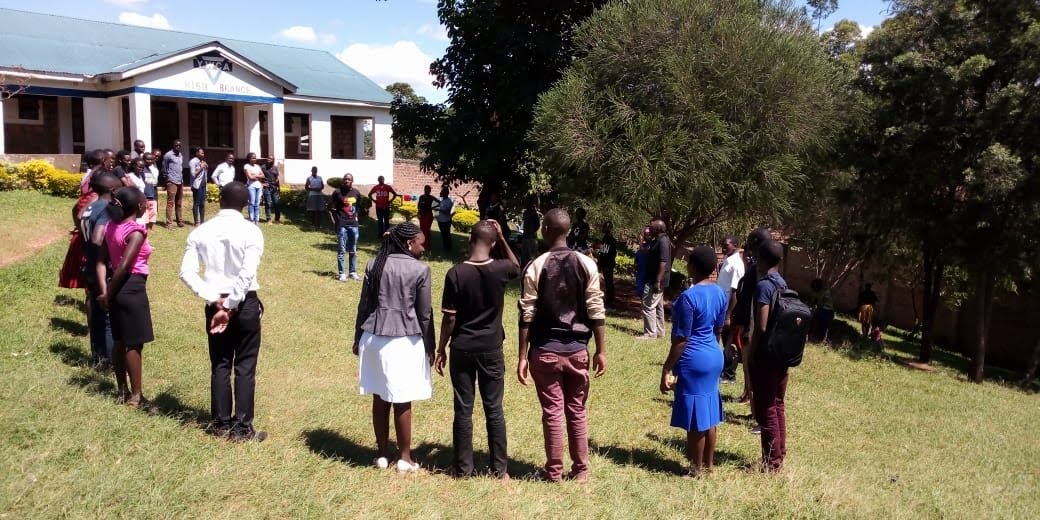
Design-Driven Entrepreneurship Skills Training conducted by ActionPath Africa in Kisii, Kenya.
4. Monitoring, Evaluation, and Learning (MEL)
Monitoring and evaluation remain weak points in many livelihood programs. Donors often demand quantitative outputs—such as the number of trainees trained—rather than qualitative outcomes like sustained employment or improved resilience.
A shift toward outcome-based indicators is necessary. Participatory M&E frameworks, involving communities in data collection and analysis, enhance ownership and accountability. Digital tools can streamline data collection, enabling real-time feedback and adaptive programming.
For instance, mobile-based surveys allow NGOs to track trainee progress and adjust curricula accordingly. Learning must be institutionalized. Feedback loops, where lessons from one program inform the design of the next, are critical for continuous improvement.
Without robust MEL systems, NGOs risk repeating mistakes and failing to demonstrate impact.
5. Partnerships and Collaboration
No single organization can address Kenya’s livelihood challenges alone. Partnerships are essential:
- Government Linkages: Stronger linkages with government institutions such as NITA and TVET authorities ensure accreditation and quality assurance.
- Private Sector Engagement: Provides internships, apprenticeships, and job placements, bridging the gap between training and employment.
- Donor Harmonization: Fragmented funding leads to duplication and inefficiency. Pooled funding mechanisms, where donors coordinate resources, can enhance sustainability.
- Regional Learning Exchanges: Across East Africa allow NGOs to share best practices and adapt innovations.
Collaboration transforms livelihood training from isolated interventions into systemic change.
6. Sustainability and Scale
Sustainability is the ultimate test of livelihood training. Too many programs collapse once donor funding ends. Embedding training within community structures—such as cooperatives, savings groups, and local institutions—ensures continuity.
NGOs can explore social enterprise models, generating income to support training. Microfinance and village savings schemes provide trainees with access to capital, enabling them to apply skills in practice.
Policy advocacy is also critical, pushing for systemic reforms that institutionalize livelihood training within national development strategies. Scaling successful models requires careful adaptation. What works in Nairobi may not work in Turkana. NGOs must balance replication with contextualization, ensuring that scaling does not dilute effectiveness.
Case Studies and Lessons Learned
Organizations such as Mercy Corps, BOMA Project, ActionAid, VSO International, and Ace Africa illustrate both successes and limitations:
- Mercy Corps’ youth entrepreneurship programs have demonstrated the power of linking training with mentorship and access to finance.
- ActionAid’s women empowerment initiatives highlight the importance of gender-sensitive approaches.
- VSO International’s volunteer-driven training underscores the value of peer learning.
- Ace Africa’s integration of psychosocial support shows how livelihood training can be holistic.
Comparative lessons from Uganda, Tanzania, and Ethiopia further emphasize the need for regional collaboration and knowledge exchange.
Policy Recommendations
Several policy recommendations flow naturally from this framework:
- Accreditation and quality assurance must be strengthened through NITA and TVET systems.
- Incentives should be created for private sector partnerships, while government support for NGO-led training should be expanded.
- Donor funding should shift toward long-term sustainability rather than short-term outputs.
- Gender-sensitive and inclusive policies must be mainstreamed to ensure equitable access.
Ultimately, livelihood training must be seen not as a stand-alone intervention but as part of a broader ecosystem of empowerment, resilience, and systemic change.
Conclusion
Enhancing the efficacy of livelihood training programs in Kenya requires a strategic, multi-dimensional approach. NGOs and INGOs must move beyond fragmented interventions to embrace contextualized curricula, strong trainer capacity, robust monitoring systems, and sustainable partnerships.
By embedding livelihood training within community structures and aligning with national policies, these programs can contribute to a resilient, empowered workforce capable of driving Kenya’s socio-economic transformation. The vision is clear: a future where livelihood training is not just about skills acquisition but about building sustainable pathways out of poverty and into dignity, resilience, and opportunity.
About the Author
George Awuor is an accomplished learning experience designer with extensive experience in curriculum development, participatory facilitation, and capacity building across East Africa. He has supported organizations such as VSO International (Kenya), ActionAid (Tanzania & Uganda), Jobortunity (Tanzania), Sibusio Foundation (Tanzania), Tiko Africa (Kenya), Ace Africa (Tanzania), and Mercy Corps (Kenya) in designing high-impact training programs in entrepreneurship, SRH, trauma-based counseling, psychosocial support, and youth development.
George’s work is distinguished by his ability to synthesize global best practices with local realities, creating learning solutions that are both evidence-based and culturally resonant. He has trained thousands of youth, women, health workers, and community facilitators and has developed numerous manuals and curricula used across the region.
He holds a Bachelor of Business Administration (BBA), a Diploma in Counseling Psychology, and multiple Training of Trainers (ToT) certifications. His work sits at the intersection of curriculum development, livelihoods, ASRH, mental well-being, and community empowerment.
He is the founder and CEO of ActionPath Africa, a Nairobi-based learning design and capacity-building consultancy firm specializing in livelihoods training and development, corporate training, youth empowerment, psychosocial support, and human-centered training solutions — partnering with CBOs, NGOs, social enterprises, and government agencies to design and deliver transformative learning experiences that strengthen skills, resilience, and economic opportunities for underserved populations.

George Omondi Awuor, Founder & CEO of ActionPath Africa